Charting Weather-Driven Variables in Tipster Accuracy for Outdoor Event Markets
Written by Klara Washington · Aug 21, 2026
Charting Weather-Driven Variables in Tipster Accuracy for Outdoor Event Markets
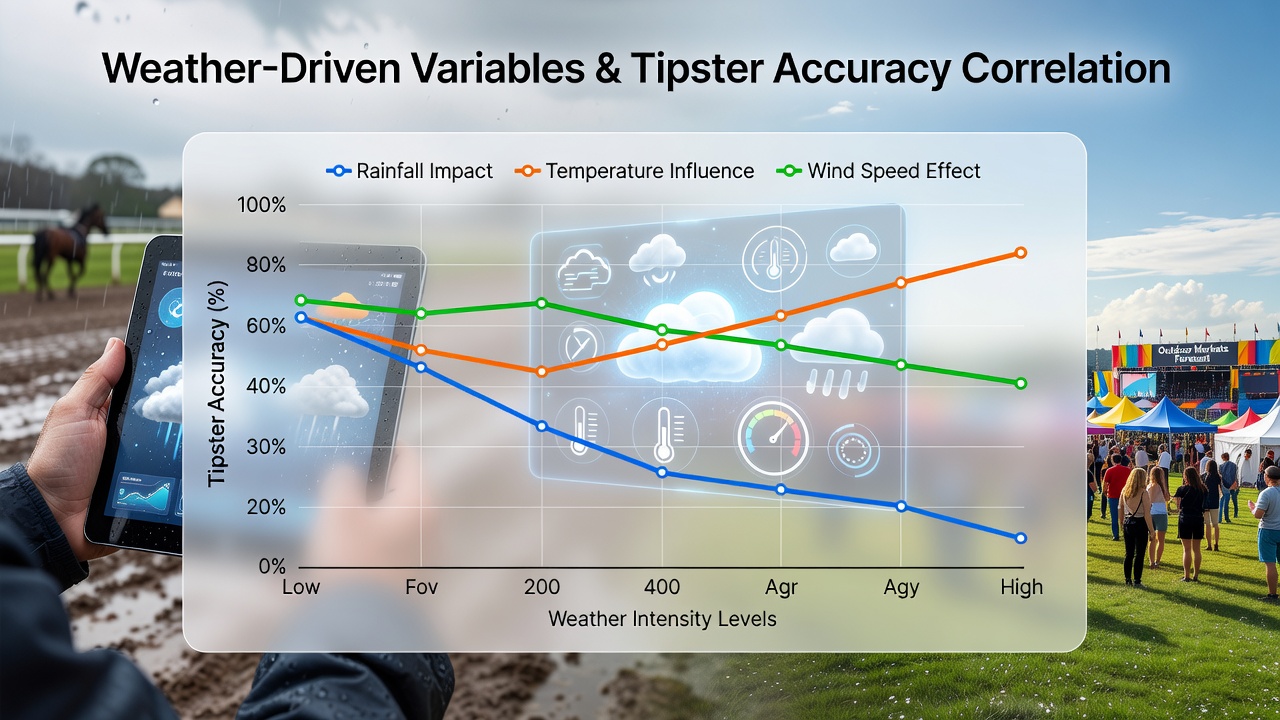
Weather patterns introduce measurable shifts in outdoor event outcomes that tipsters must incorporate when generating forecasts for horse racing, tennis, and football markets, and data from multiple seasons shows these variables alter both performance metrics and betting accuracy in consistent ways. Temperature fluctuations, wind speeds, precipitation levels, and humidity combine to affect player endurance, equipment behavior, and track conditions while studies from meteorological agencies track correlations between these factors and result deviations from historical averages.
Key Weather Variables Affecting Tipster Models
Wind direction and velocity rank among the most disruptive elements in tennis and horse racing, where gusts above 25 kilometers per hour change ball trajectories and horse stride efficiency according to records compiled by national weather services. Precipitation alters turf grip and ball bounce rates in football matches, prompting tipsters to adjust expected goal totals downward when forecasts indicate steady rainfall over the preceding 24 hours. Temperature swings influence muscle performance and recovery times, with researchers noting that events held above 30 degrees Celsius see elevated error rates in prolonged contests such as five-set tennis matches or extended race distances.
Data Collection Methods for Weather Integration
Tipster platforms gather localized forecasts from sources including the National Oceanic and Atmospheric Administration in the United States and the Bureau of Meteorology in Australia, then cross-reference these inputs against historical performance databases segmented by venue and season. Analysts build regression models that assign weighted values to each weather parameter, allowing probability adjustments before releasing selections for upcoming fixtures. In August 2026, multiple outdoor tournaments aligned with periods of elevated humidity and variable winds, providing fresh datasets that refined existing algorithms for outdoor event accuracy tracking.
Regional Variations in Weather Impact
European football leagues experience different precipitation patterns than Australian horse racing circuits, and tipsters who segment their models by geographic zone record higher consistency when accounting for these distinctions. Coastal venues introduce additional salt-air humidity effects that change equipment performance, whereas inland tracks see greater temperature extremes that influence animal and athlete output. Observers note that tipsters maintaining separate weather sub-models for each region achieve tighter alignment between projected and actual outcomes across the calendar year.
Accuracy Tracking Through Weather-Adjusted Metrics
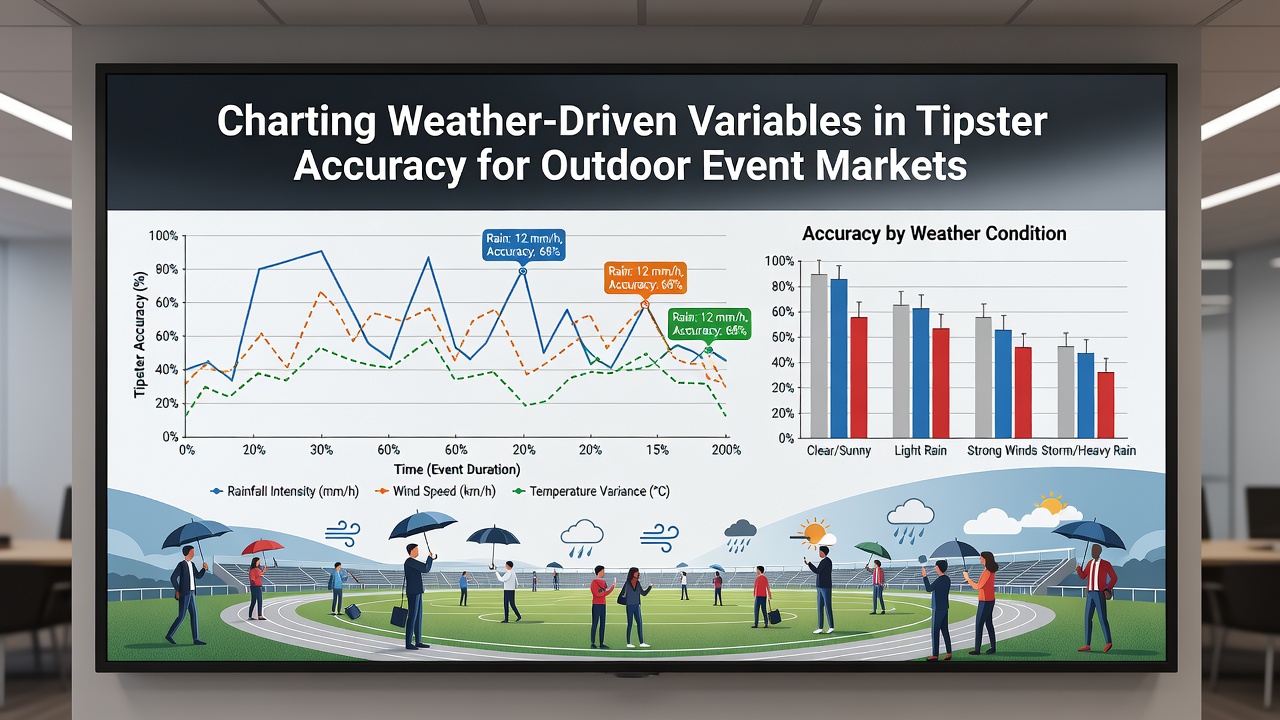
Longitudinal reviews of tipster records reveal that forecasts incorporating real-time weather updates demonstrate measurable improvements in strike rates during periods of unstable conditions, whereas static models without such adjustments show larger deviations. Researchers at academic institutions have published papers examining these differentials, confirming that wind-adjusted tennis predictions and rainfall-adjusted football totals produce more reliable returns when verified against payout logs. Those who study this field know that continuous monitoring of forecast accuracy versus actual conditions allows iterative refinement of weighting coefficients within the models.
Tools and Visualization Techniques
Specialized software overlays weather station readings onto event timelines, generating visual charts that highlight periods when conditions diverge from seasonal norms and flag potential accuracy risks. These dashboards integrate satellite imagery, ground sensor data, and venue-specific microclimate readings to produce layered projections that tipsters review before finalizing selections. Multiple platforms now embed automated alerts when forecast thresholds are crossed, prompting immediate recalibration of probability estimates for affected markets.
Conclusion
Weather-driven variables remain central to accurate forecasting in outdoor event markets, and systematic charting of temperature, wind, precipitation, and humidity continues to sharpen tipster performance across horse racing, tennis, and football. Data compiled through established meteorological networks and academic studies provides the foundation for these adjustments, while ongoing collection through periods such as August 2026 supplies additional validation points. Tipsters who embed these factors into their processes maintain closer alignment with observed results, and the expanding availability of granular weather data supports further refinement of existing methodologies.