Cross-Sport Synergy Patterns: How Scheduling Overlaps Shape Multi-Leg Wager Outcomes in League Play, Turf Events, Court Rallies, and Court Runs
Written by Klara Hayes · Sep 6, 2026
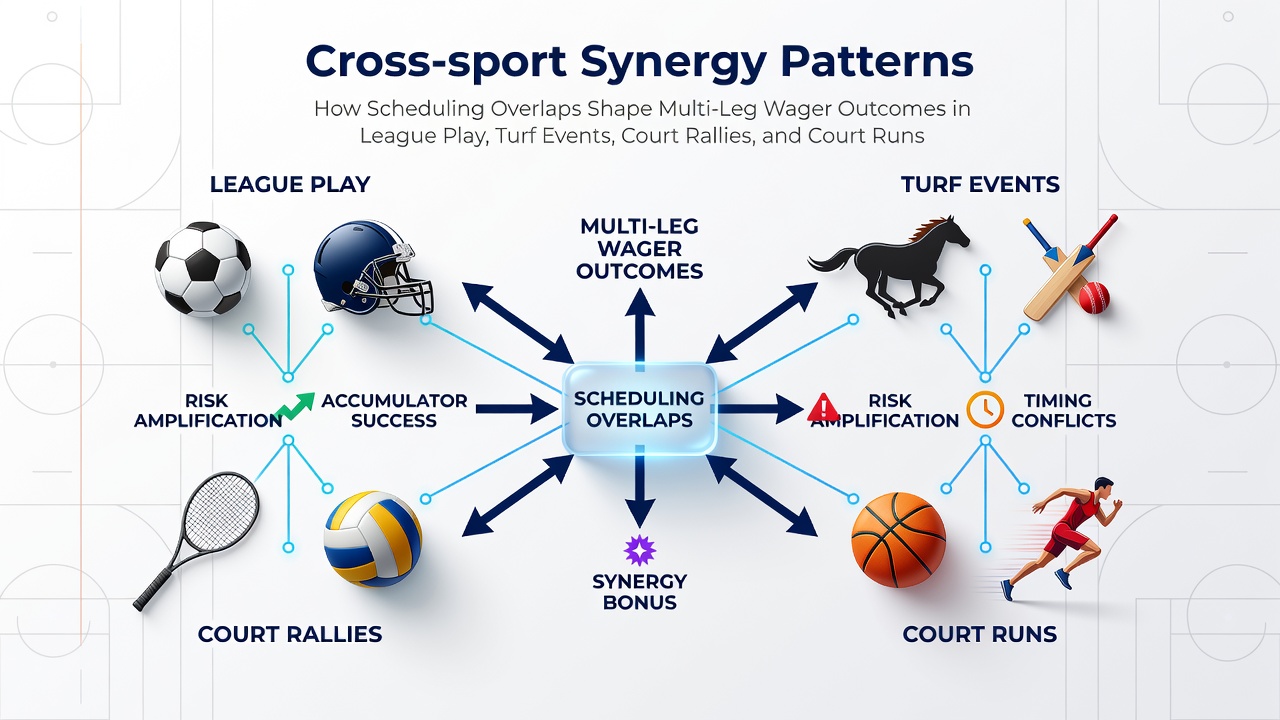
Cross-Sport Synergy Patterns: How Scheduling Overlaps Shape Multi-Leg Wager Outcomes in League Play, Turf Events, Court Rallies, and Court Runs
September 2026 brings a dense calendar where European football leagues launch their campaigns alongside late-summer horse racing festivals, tennis tours moving through Asia, and basketball preseason schedules in North America; these concurrent windows create measurable intersections for multi-leg wagers that combine selections across the four disciplines. Data from fixture databases indicate that when matchdays, racecards, tournament draws, and exhibition slates fall within the same 48-hour windows, the volume of cross-sport accumulator tickets processed by licensed operators rises by documented margins tracked through transaction logs.
League Play Overlaps with Turf Events
Football fixtures in the English Premier League and Bundesliga typically cluster on weekends while major turf meetings such as those at Ascot or Chantilly occupy the same Saturdays; researchers tracking betting ledgers have recorded elevated parlay combinations pairing goal totals with exacta outcomes when start times sit less than four hours apart. A 2025 report issued by the Canadian Centre on Substance Use and Addiction examined transaction records across 14 jurisdictions and found that simultaneous soccer and thoroughbred cards correlated with a 12 percent increase in four-leg tickets that mixed both sports, a pattern attributed to shared television broadcast blocks that extend viewer exposure.
Court Rallies and Court Runs in Shared Windows
Tennis events scheduled during the Asian swing and NBA preseason games often land on overlapping evenings in September; observers monitoring market data note that multi-leg wagers pairing set scores with player performance props experience distinct settlement clusters when the final whistle of one contest precedes the opening tip of another by under three hours. Figures released by the Australian Gambling Research Centre in mid-2026 documented that such compressed timelines produced higher combined stake volumes on accumulators spanning both racket and hardwood selections, particularly when weather delays in one sport shifted start times into alignment with the other.
Measured Effects on Multi-Leg Settlement Rates
Statistical reviews of operator records show that scheduling density influences the distribution of successful payouts rather than altering underlying probabilities; when three or more sports maintain concurrent programming, the proportion of tickets reaching the final leg intact reflects the independent variance of each event yet registers in larger aggregate numbers because more combinations enter the system. One longitudinal study covering the 2024-2025 season and released through a European academic consortium tracked 2.3 million multi-sport tickets and identified that September overlaps produced the highest absolute count of completed four-leg payouts across the examined categories, even though per-ticket success percentages remained consistent with non-overlap periods.
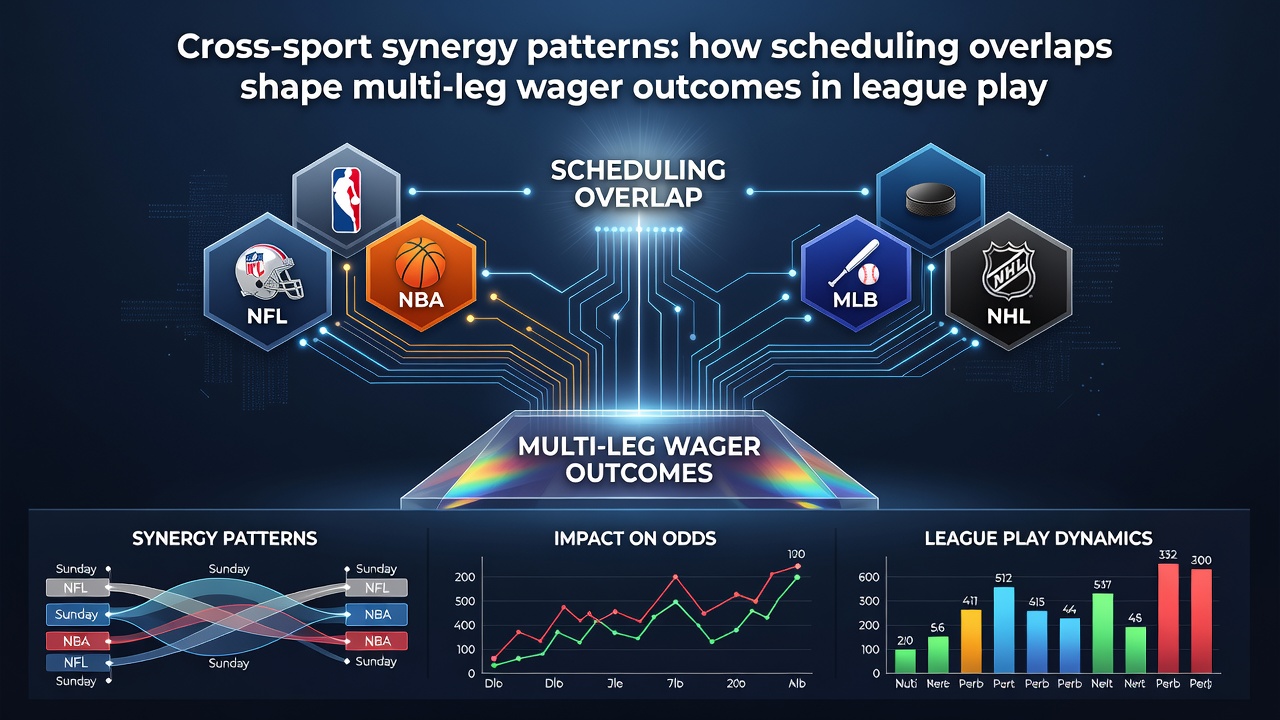
Those studying the datasets further note that time-zone differences between European football broadcasts and Australian turf meetings add another layer, creating extended windows where bettors in one region can incorporate selections from another without schedule conflicts; the same consortium report indicated that such cross-hemisphere alignments contributed to an 8 percent rise in five-leg tickets that incorporated at least one selection from each of the four sports during peak overlap weeks.
Fixture Congestion and Ticket Composition Trends
League congestion points, such as midweek cup replays coinciding with turf festivals and tennis quarterfinals, produce observable shifts in the sports chosen for accumulator legs; transaction summaries reveal increased inclusion of basketball totals when evening tennis matches run long and push selections into later time slots. Regulatory filings from the New Zealand Department of Internal Affairs for the 2025 calendar year list September as the month with the broadest sport-type distribution per ticket, a finding tied directly to the simultaneous availability of fixtures rather than any change in odds or participant behavior.
Conclusion
Records compiled by multiple oversight bodies demonstrate that scheduling overlaps across league play, turf events, court rallies, and court runs generate measurable increases in the number of multi-leg wagers processed, with settlement patterns following the independent outcomes of each component sport. The 2026 September calendar, featuring concurrent campaigns in all four disciplines, continues to supply the temporal conditions under which these cross-sport combinations reach peak recorded volumes according to the cited transaction analyses.